Today’s entry is by guest blogger Dr. Charles R. Ridley. I quaked. Whenever I neared her classroom, fear and trepidation besieged me. My reaction was autonomic, full of annoying emotions I could not control. Whenever she called on another student, I breathed a...
Yesterday I wrote about working with clients that aren’t motivated. There’s no reason to keep working with a person who doesn’t want to change or is for some reason not able to change. Sometimes the person is overwhelmed or distracted for legitimate...
Whenever doors of opportunity for effective ministry open, the challenges are right there with us. The apostle Paul understood that: But I will stay on at Ephesus until Pentecost, because a great door for effective work has opened to me, and there are many who...
Sometimes when I’m coaching people who are running up against very challenging circumstances or wrestling with very difficult problems, I need to remind myself of this: If it were easy, they wouldn’t need you. When people need coaching is when they’re struggling with...
Whenever I have overseen people, I have tried to manage them in such a way that not only benefits the organization but also develops the person. When I was a senior pastor, I would think of a new challenge every year for each person I oversaw. I’d think, “What do they...
People can lose vision is less than a month. Effective visioncasting must be repeated, intentional, and take many different forms. Here are a few common strategies: Strategic prayer Personal example Rewards and recognition Powerful stories Appeals to scripture...
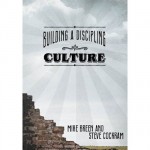
Yesterday, we heard from Brian Williamson. The book he’s been using in his ministry is called Building a Discipling Culture. One of the really helpful things in this book is the quadrant it provides for exploring the invitation-challenge model. In the context...
Today some thoughts from Brian Williamson, Lead Pastor of The Bridge Bible Church, a decentralized networked approach in Somerset, WI. Their church’s vision is to lead everyone toward full life development in Jesus through missional communities. “We’ve benefited from...
Where should we set the bar in training people to do ministry? It’s tempting to set the bar too high too fast. An athlete training for the high jump wouldn’t start with the bar seven feet high. He or she would start much lower and then work their way up with...